

Guide · 7 min read
Water treatment software for Africa: what changes by country
What changes when water treatment software moves between African countries: payments, currency, power, connectivity, regulators and language.
By the AquaOps team
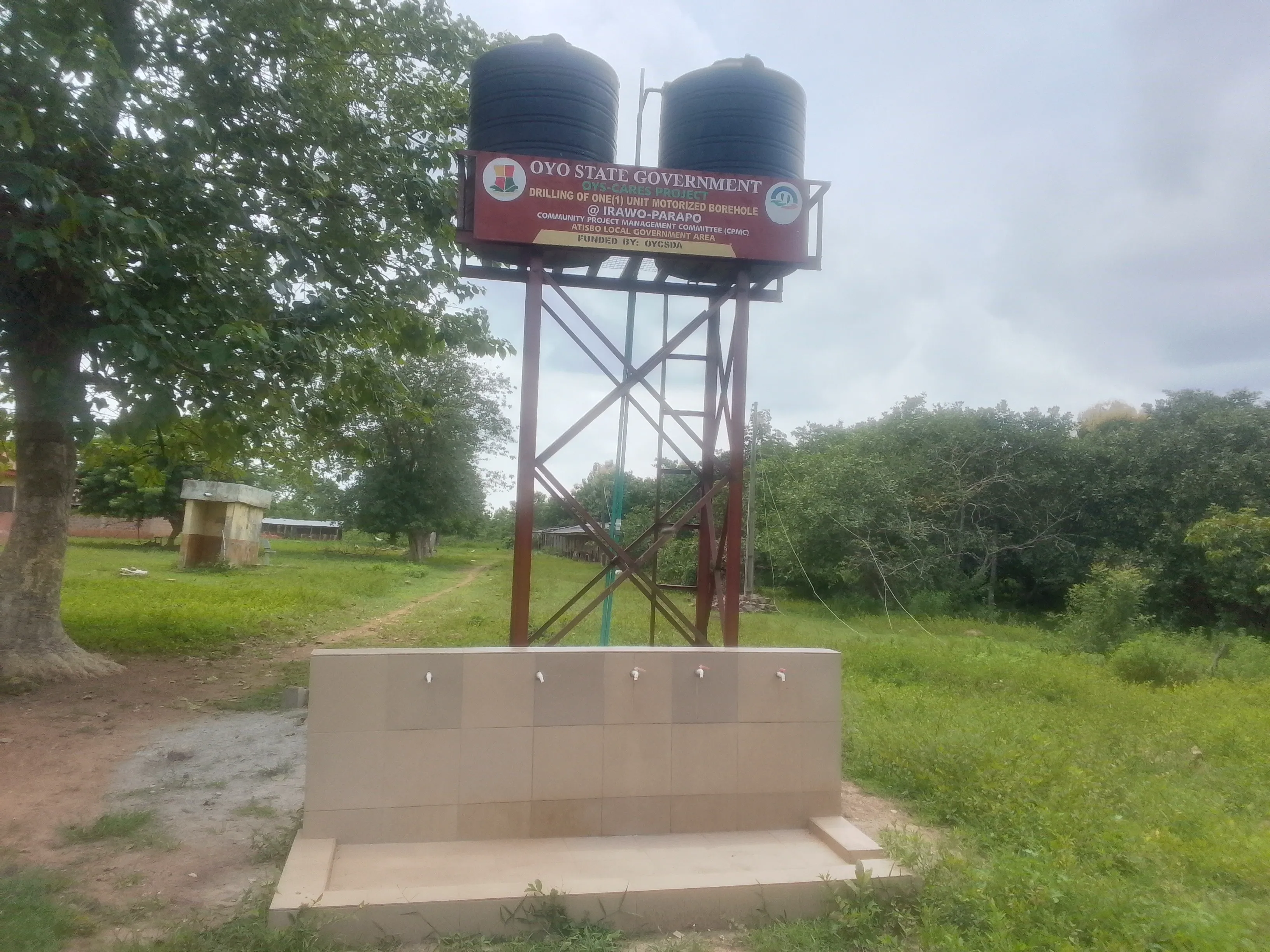
Water treatment companies across Africa share a lot: borehole and municipal supplies of varying quality, a growing demand for treated water, technicians working far from a signal, and customers who pay in many ways. But countries differ in the details that decide whether software works. This guide lists what changes by country, so you can ask the right questions of any vendor.
A word on where AquaOps stands, because we want to be exact: the product is built first for Nigeria: naira, Paystack payments, VAT you set yourself, and a design for poor connectivity. It is designed to extend to other African countries, because currency, time zone, date format and terminology are company settings and nothing in the core assumes one country. We do not claim customers or offices outside Nigeria. If you operate elsewhere, talk to us about what works today.
1. Payments
The biggest difference. Cards work everywhere but are not everyone’s first choice. Bank transfer is dominant in Nigeria; mobile money is central in Ghana and Kenya. Ask which methods your customers really use and whether the software’s payment partner covers your country and currency. Paystack operates in several African countries; AquaOps’ online payments today are set up for naira. Cash and cheque recording stay necessary everywhere.
2. Currency and tax
Each country has its own currency and tax rules. Look for a currency setting, VAT or sales-tax rates you control, and amounts kept as whole units of the smallest denomination so totals are exact. Do not rely on a vendor for tax advice; use your accountant.
3. Power and connectivity
Mobile data coverage, network cost and power cuts vary by area. An offline-first technician app (the whole visit on the phone, synced later) matters most where signal is poor, and it matters in every country on this list at borehole and plant sites. See offline field apps.
4. Water sources and quality
Boreholes, municipal supply, rivers and rainwater harvesting all appear, with different problems: iron, hardness, salinity, turbidity or contamination. Your software should let you define the readings and the limits you judge them against, per type of system, instead of hard-coding one country’s standard. See water quality logs.
5. Regulators and standards
Each country has bodies that set drinking water, packaged water and environmental standards. Software should not pretend to know them for you: it should let you record the standard you follow and keep the records you need. In our guides we name regulators only where we are sure and otherwise tell you to check your local regulator: Nigeria.
6. Language and terms
English is widely used in business in Nigeria, Ghana and Kenya, and the product is in English today. Terminology is yours to set (for example “plants” or “systems”). Other languages are not available yet.
7. Seasons and demand
Rainy and dry seasons, harmattan dust in West Africa and school or hotel calendars all shape when work peaks. Maintenance plans that book ahead help you smooth the load.
What to ask any vendor
- Which countries and currencies do you support today, and which are planned?
- Which payment methods work, and who is the payment partner?
- Does the whole visit work offline?
- Can I set my own VAT, workflow and limits?
- Which parts work today, and which are only planned?
For the Nigerian checklist see water treatment software in Nigeria: what to look for.
Questions and answers
- Can water treatment management software be used outside Nigeria?
- AquaOps is built for Nigeria first (naira, Paystack, VAT settings). Currency, time zone and date format are company settings, so it is designed to extend to other African countries. Online payments today run through Paystack in naira. If you operate elsewhere, contact us to discuss what works now.
- What matters most for water treatment software in Africa?
- Offline-first field apps, payment methods customers really use, currency and tax settings, unreliable power and connectivity, and the freedom to define your own workflow and standards.