

Definition · 5 min read
Water quality log: a definition and what to record
What a water quality log is, which readings to record for common systems and how bands turn numbers into action.
By the AquaOps team
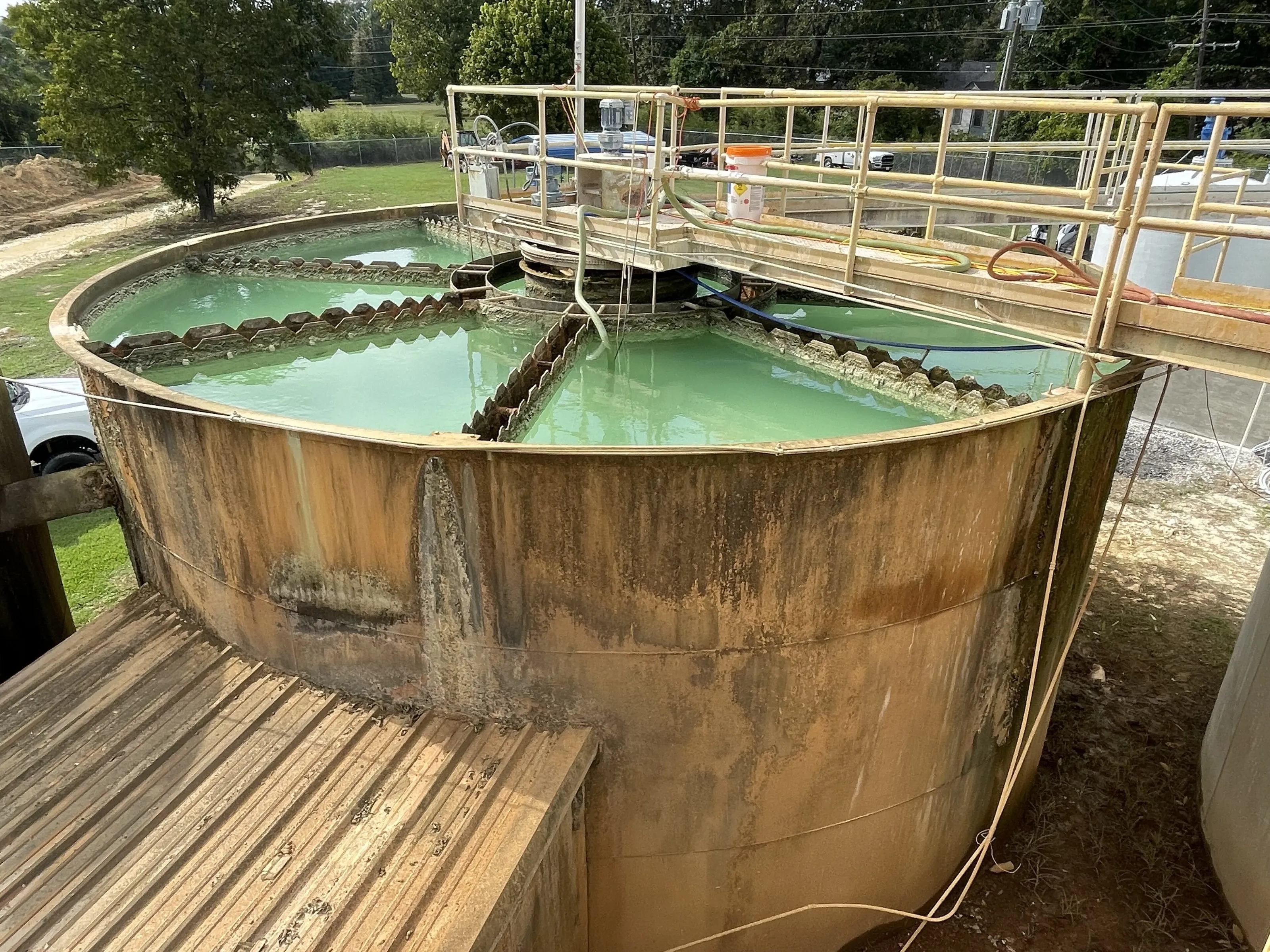
A water quality log is a record of readings taken at each visit to a treatment system, kept against that system and the date. On its own one reading says little; a series says how the system behaves and when the next problem is coming.
What goes in it
| System | Common readings |
|---|---|
| RO plant | Feed and product TDS or conductivity, pressures, product and reject flow, temperature |
| Softener | Hardness before and after, salt level, last regeneration |
| Borehole and general treatment | pH, turbidity, iron, disinfectant residual, conductivity |
| Pool | Free chlorine, pH, alkalinity, stabiliser |
Always write the unit and record before and after any change.
Bands, not just pass or fail
A band system (for example excellent, good, fair, poor) shows how close a reading is to its limit. Always show the word as well as a colour. Set bands from sources you can cite: the manufacturer, your regulator and your own experience. Check the standards that apply to your use of the water.
Using the log
Look at the trend before each visit, list systems by their worst current reading, and book the work for the ones drifting. In AquaOps, readings belong to the system and the visit, are judged against your bands, and are listed company-wide. Device monitoring for sensors and meters is in early access; you can join the list on the contact page. For more detail read what to track in a water quality log.
Questions and answers
- What is a water quality log?
- A water quality log is a record of readings taken at each visit to a treatment system, kept against the system and the date, so you can see trends and act before a problem grows.
- What readings go in a water quality log?
- It depends on the system: TDS or conductivity, pressure and flow for RO plants; hardness for softeners; pH, turbidity, iron and disinfectant residual for borehole systems; chlorine and pH for pools. Always record the unit.