

Country guide · 5 min read
Water treatment in Abuja: conditions and what to plan for
A guide for water treatment operators in Abuja and the FCT: borehole yields in rock, dust and seasons, estates and offices, and planning visits.
By the AquaOps team
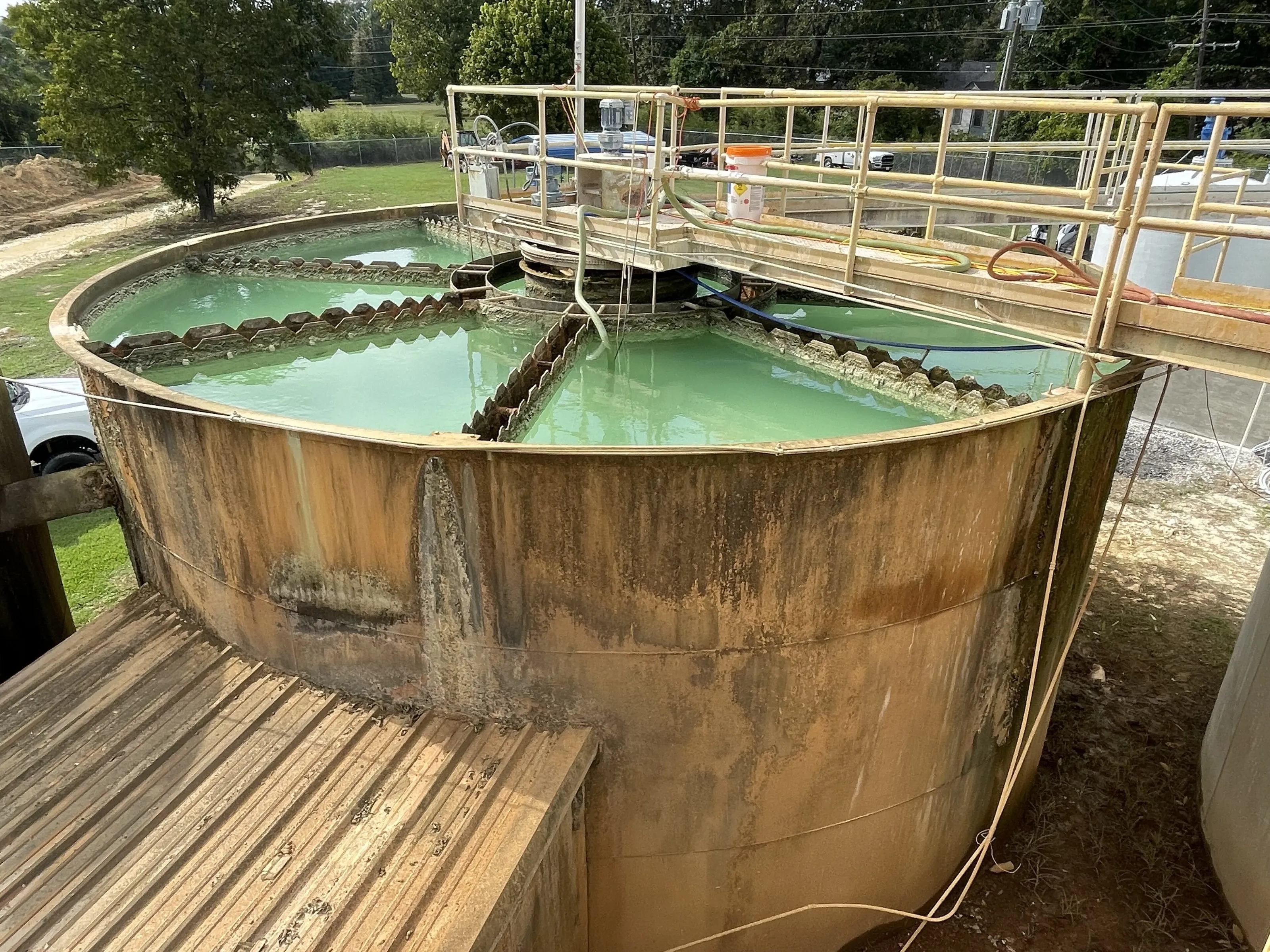
Abuja and the surrounding Federal Capital Territory (FCT) have a different mix of conditions from Lagos. This is general guidance, not regulatory advice; check current local rules.
The water
Much of the FCT sits on hard, fractured rock. Boreholes need to find water in the fractures, so yield and quality can vary a lot between neighbouring sites. Some boreholes deliver steadily; others lose output in the dry season. Treat each site as its own case: test the water, record the pump’s current and pressure, and watch for falling output. Public supply exists in parts of the city, but many estates and offices still run boreholes. See borehole treatment and our borehole maintenance guide.
Seasons and dust
The dry season and harmattan bring dust that can load tanks and pre-filters with sediment. Plan filter checks and tank cleaning before and after the dry season. The rainy season brings heavy storms that can interrupt power.
Customers
Common customers are estates, offices, schools, hotels and hospitals. Estates have managers and committees; offices have facility managers. A customer portal with several users per client suits both: the manager sees visits, reports and invoices without calling.
Power and connectivity
Power is often supplemented by generators; mobile data inside buildings can be poor. Record the power source and use an offline technician app.
Planning visits
Group visits by district to cut travel, book ahead and tell security. Keep consumables on the van so one visit is enough. See inventory.
Software
AquaOps is water treatment management software built first for Nigeria. Book a demo to talk about your Abuja routes.
Questions and answers
- What is different about boreholes in Abuja?
- Much of the area sits on hard, fractured rock, so borehole yield and water quality can vary a lot from one site to the next. Test each source and monitor pump load and output over time.